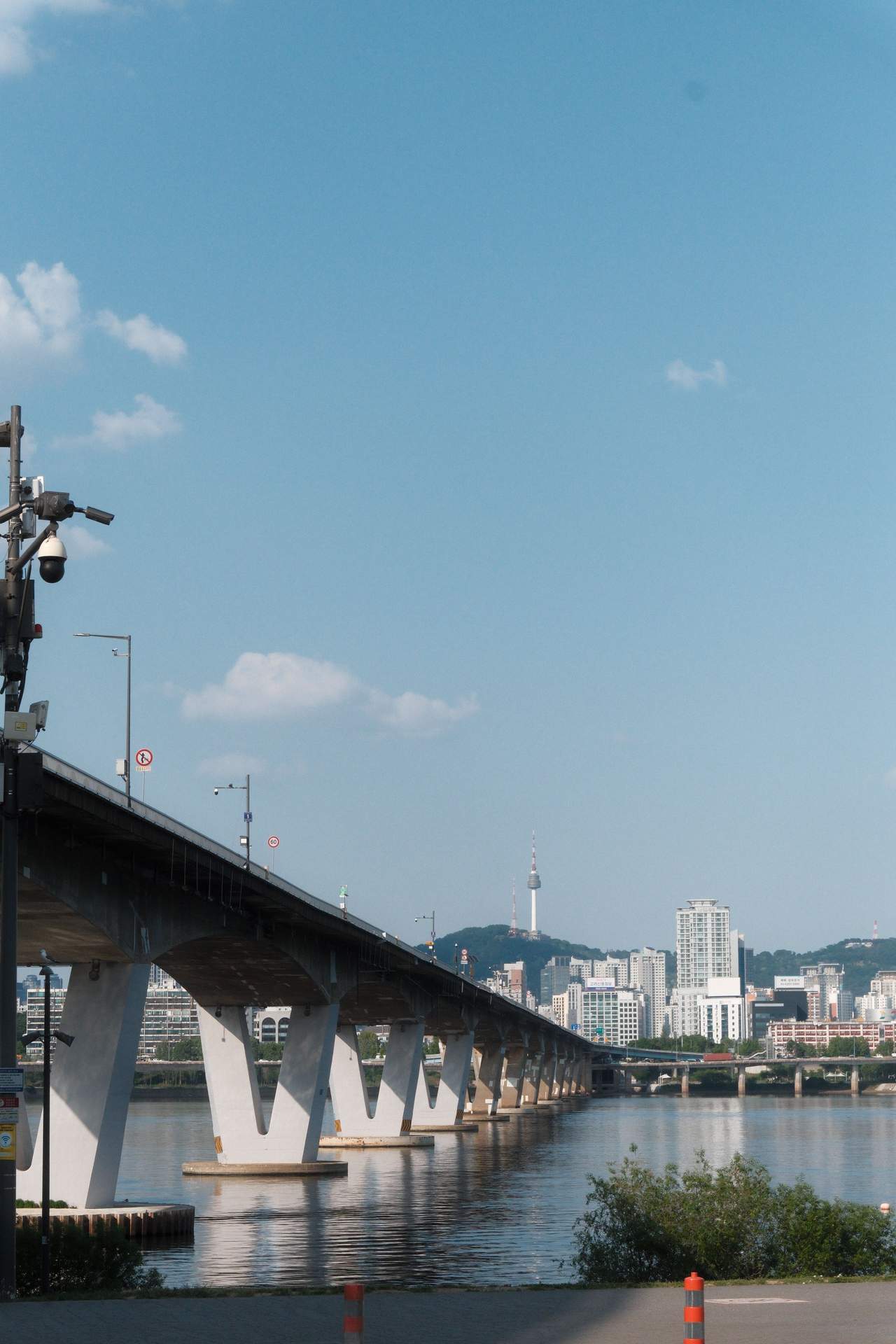
How Koreans Spend the Hottest Days of Summer
Quick summary
Review the main points first, then jump into the section you need.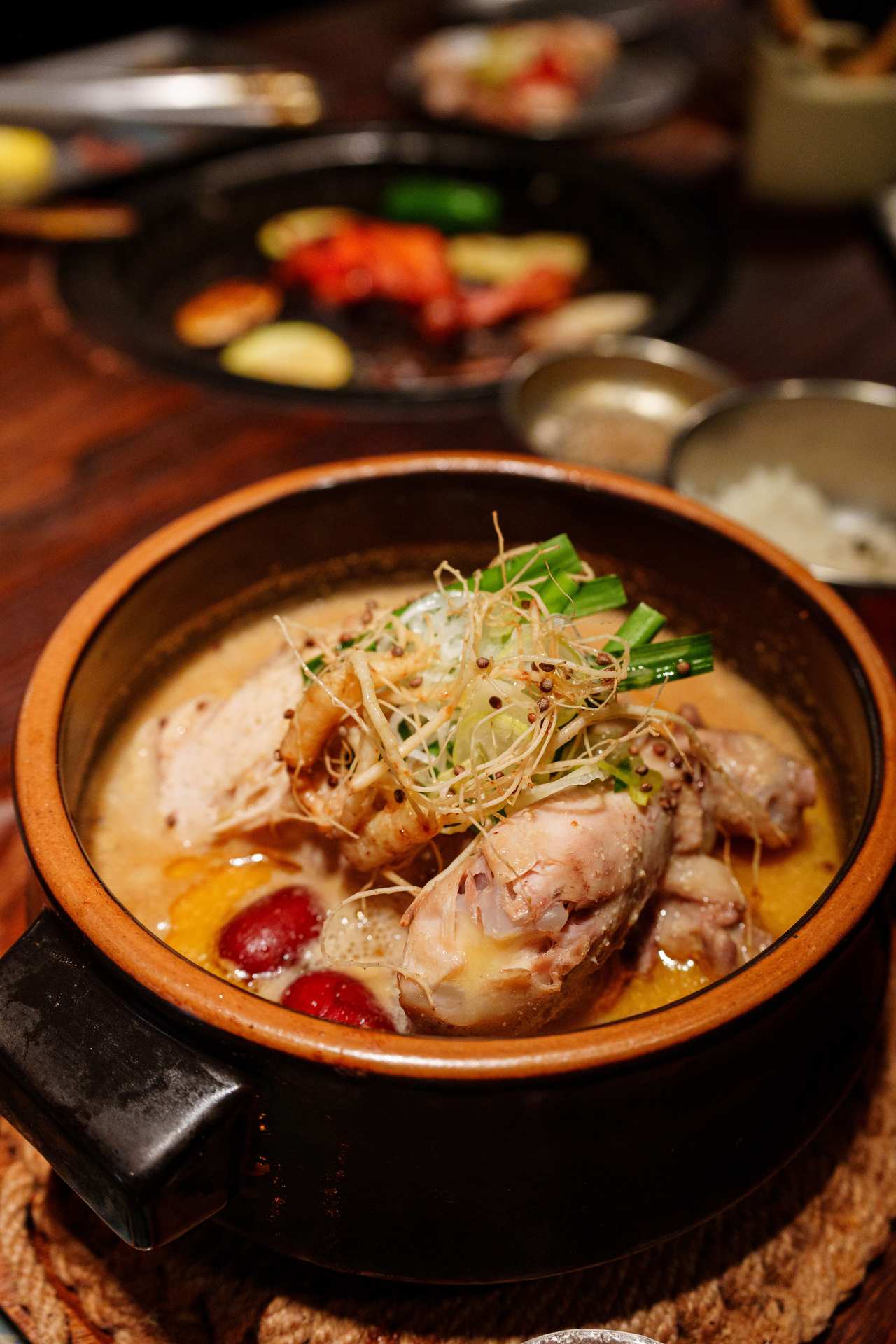
_________________________________________
01 Boknal & Samgyetang
The Hottest Food for the Hottest Days of the Year
In the middle of a sweltering Korean summer, there is one type of restaurant that seems especially crowded: samgyetang restaurants. Why do Koreans seek out a bubbling-hot bowl of chicken soup when it is already scorching outside?
In Korea, the three traditionally hottest periods of summer are called Chobok, Jungbok, and Malbok, collectively known as Sambok. Each of these days is referred to as a Boknal, and the food most closely associated with Boknal is samgyetang.
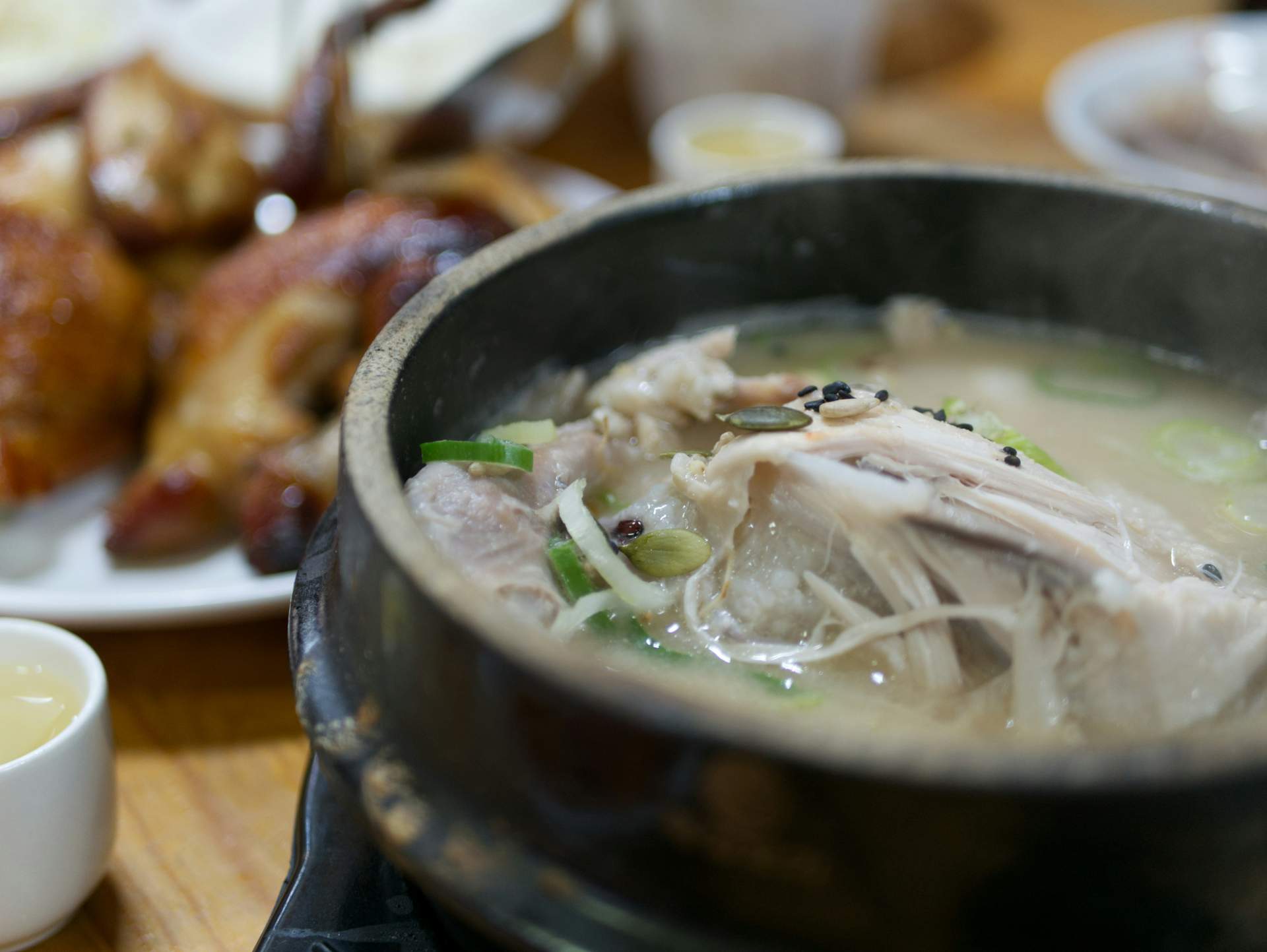
Samgyetang is made by stuffing a young whole chicken with glutinous rice and simmering it with ingredients such as ginseng, jujube, and garlic. Behind the tradition is the Korean idea of “iyeol chiyeol” (이열치열), which literally means “fighting heat with heat.” It reflects an old summer custom of eating something hot and nourishing, working up a sweat, and restoring energy when the heat has left you feeling drained.
For many Koreans, eating samgyetang on Boknal is more than just having a meal. It feels almost like a seasonal ritual. As Boknal approaches, families and coworkers often go out for a nourishing meal together, and long lunchtime queues outside popular samgyetang restaurants are a common sight.
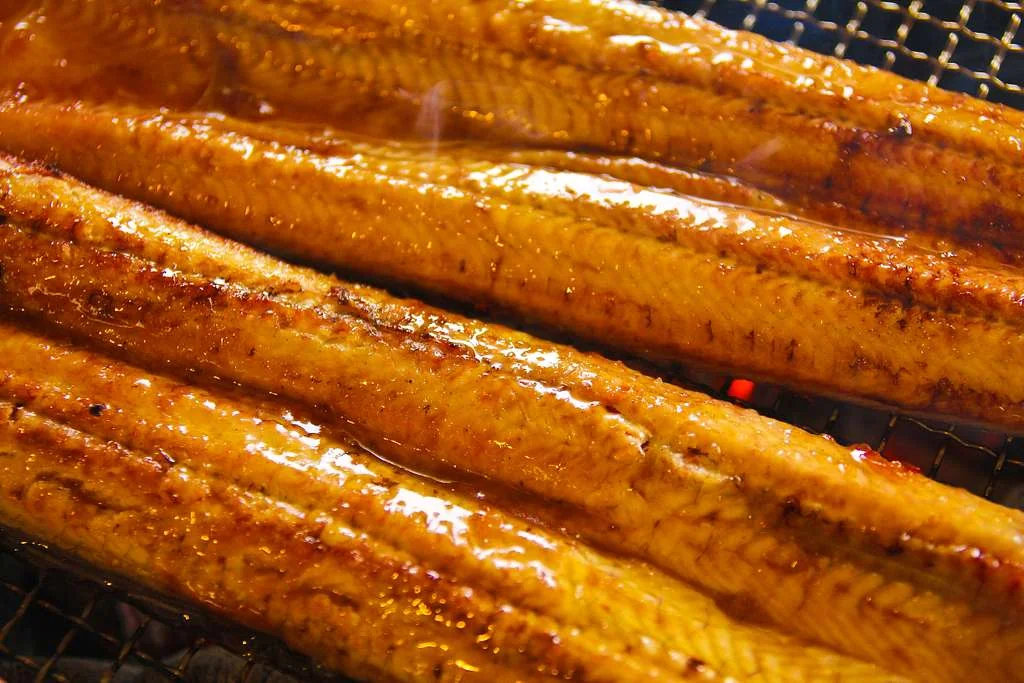
Samgyetang is not the only food associated with Boknal. Grilled eel and chueotang (a soup traditionally made with loach) are also popular summer boyangsik, or foods eaten to restore energy.
Eel and loach may seem unfamiliar to some first-time visitors, but both have long been enjoyed in Korea as nourishing foods for getting through the summer heat.
_________________________________________
02 Kongguksu & Naengmyeon
Cold Noodles Instead of Hot Soup
At the other end of the spectrum are Korea’s refreshingly cold summer dishes. Two of the best known are kongguksu and naengmyeon.
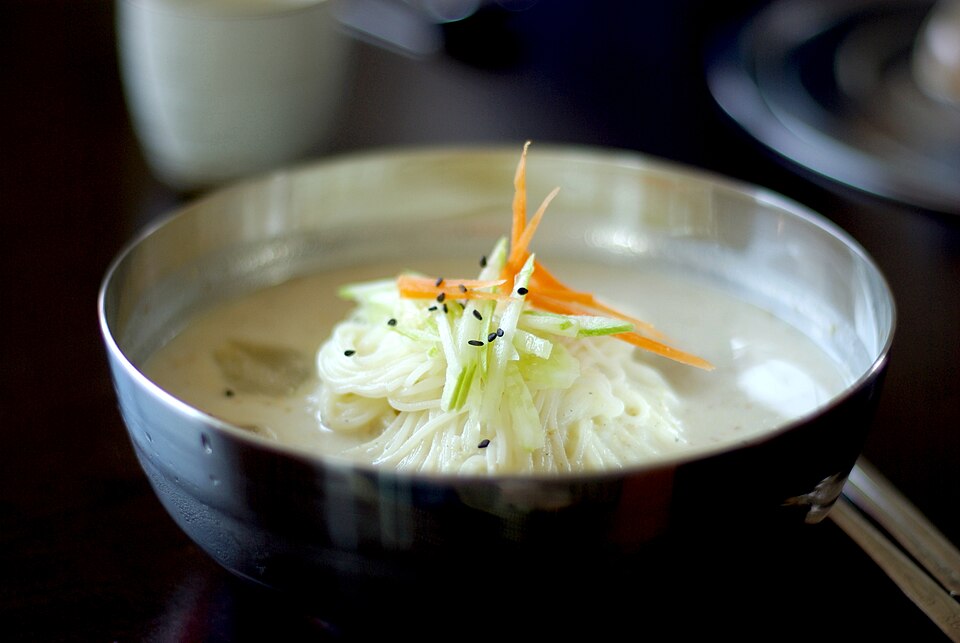
Kongguksu is a noodle dish served in a creamy broth made from finely ground soybeans. The thick, nutty broth is served cold, often with a few ice cubes floating on top. After the first bite, it is hard not to say, “That’s refreshing.”
But how to season kongguksu is a surprisingly divisive subject among Koreans.
Some prefer the soybean broth exactly as it is, but the real debate usually comes down to two choices: Sugar or salt?
The preference often varies by region. In Jeolla Province, adding sugar is relatively common, while people in many other parts of Korea are more accustomed to seasoning their kongguksu with salt.
One explanation suggests that the sweet version may be connected to old farming communities in Jeolla-do, where chilled noodles with sugar were eaten as a quick source of energy during breaks from rice farming.
Then there is another classic summer dish: naengmyeon, Korean cold noodles.
And just like kongguksu, naengmyeon comes with its own long-running debate:
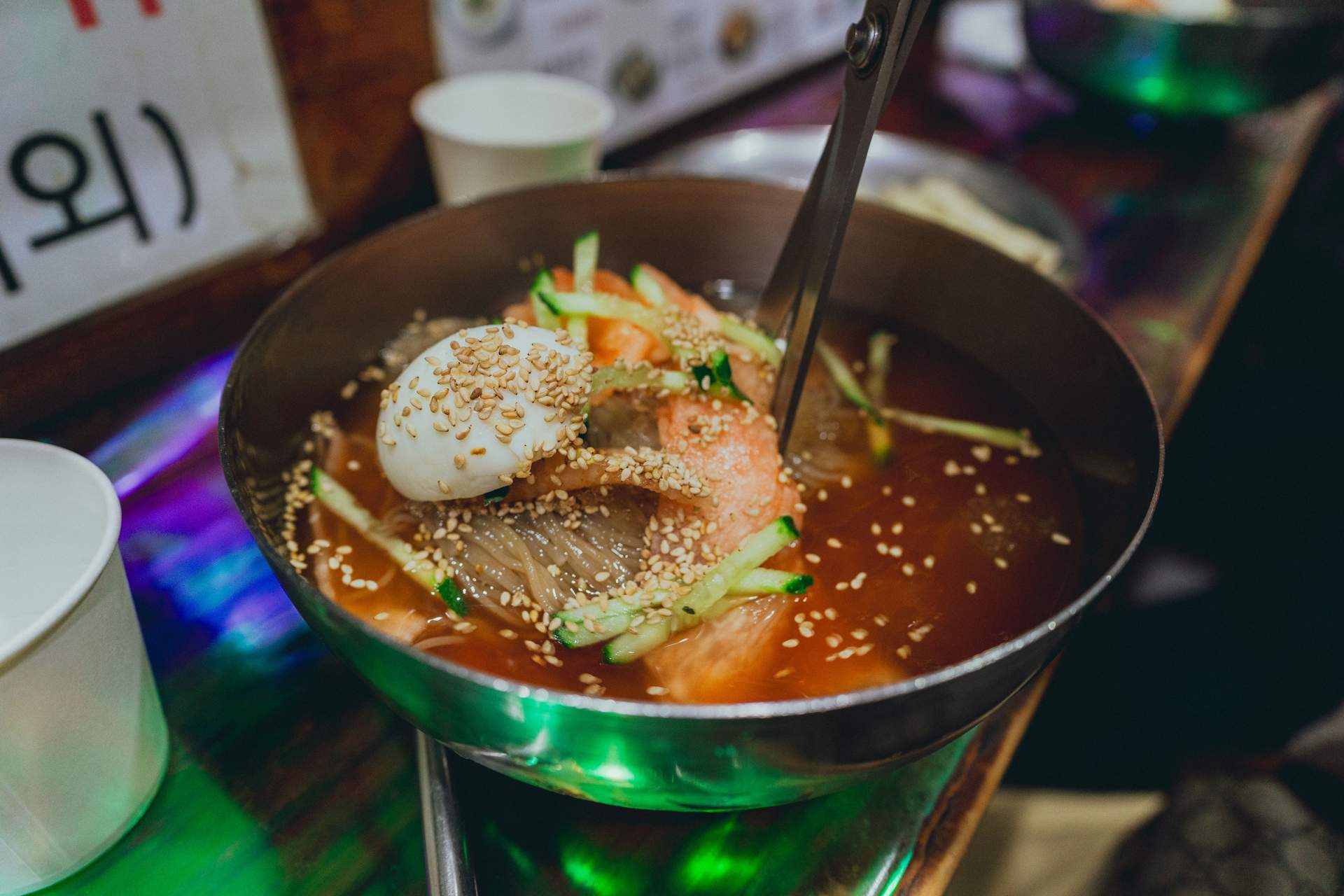
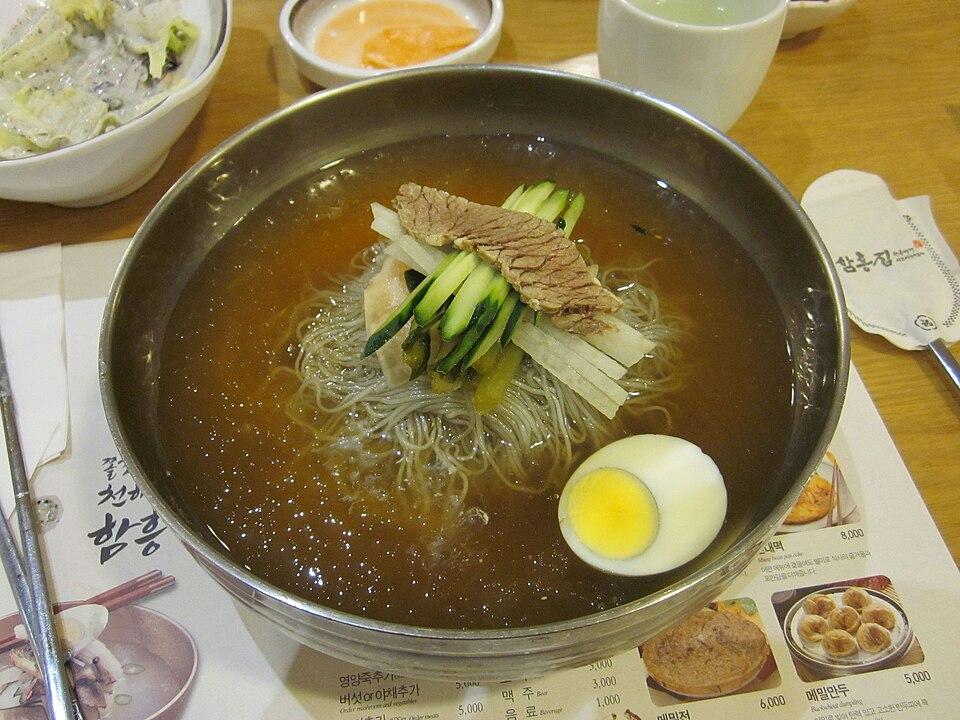
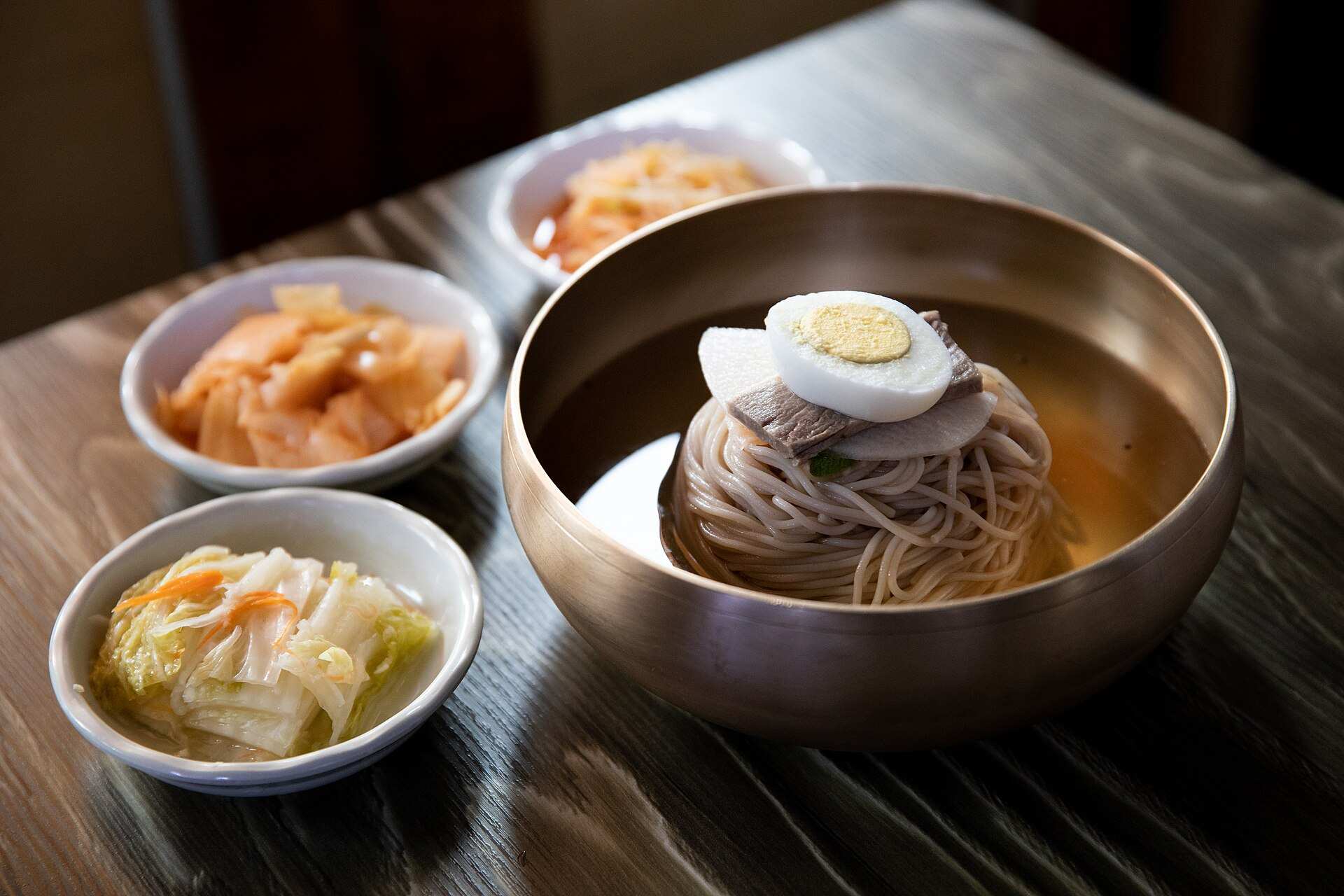
Hamheung naengmyeon or Pyeongyang naengmyeon?
Hamheung naengmyeon is known for its chewy starch-based noodles and bold, spicy-sweet-and-sour seasoning, often enjoyed with extra vinegar and mustard.
Pyeongyang naengmyeon, on the other hand, combines earthy buckwheat noodles with a light, subtle broth rich in gentle umami.
Unlike the more immediate flavors of Hamheung naengmyeon, Pyeongyang naengmyeon can take a little longer to appreciate. There is even a popular saying that you need to try it at least three times before you really understand its appeal.
And once people fall for it, many start craving Pyeongyang naengmyeon not only in summer, but throughout the year.
If you visit Korea, discovering whether you are on the sugar or salt side of kongguksu, and the Hamheung or Pyeongyang side of naengmyeon, can be a fun experience in itself.
_________________________________________
03 Valley Escapes
Spending Summer in the Mountains, Not at the Beach
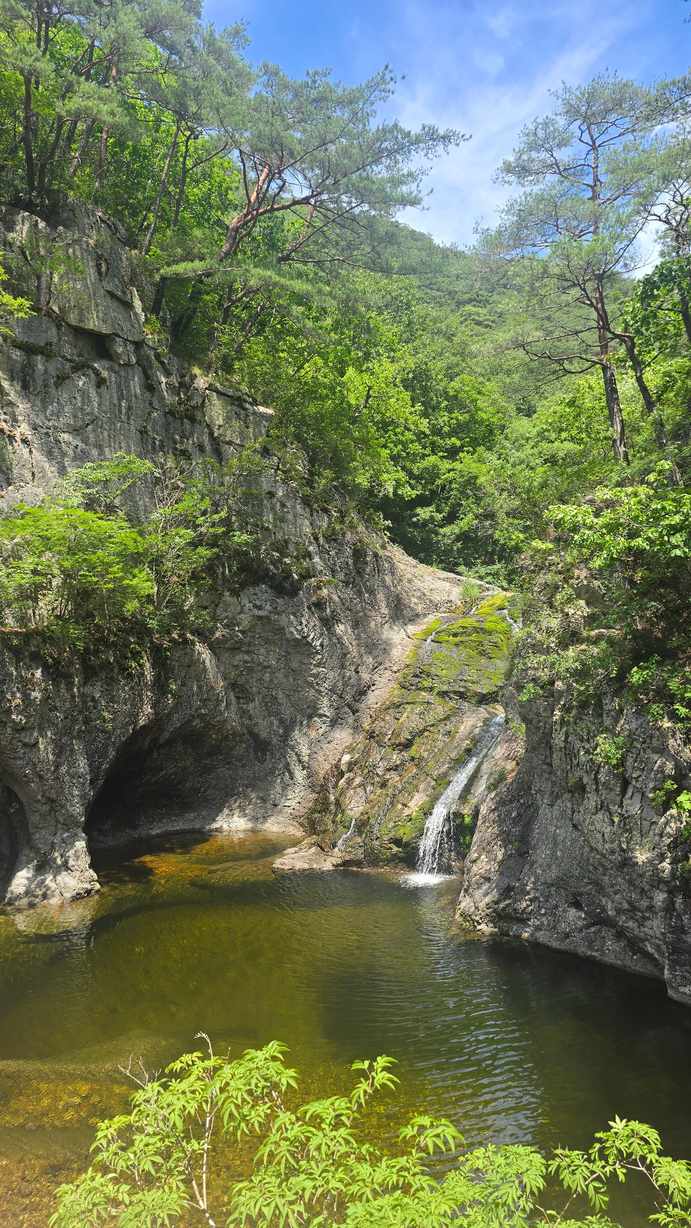
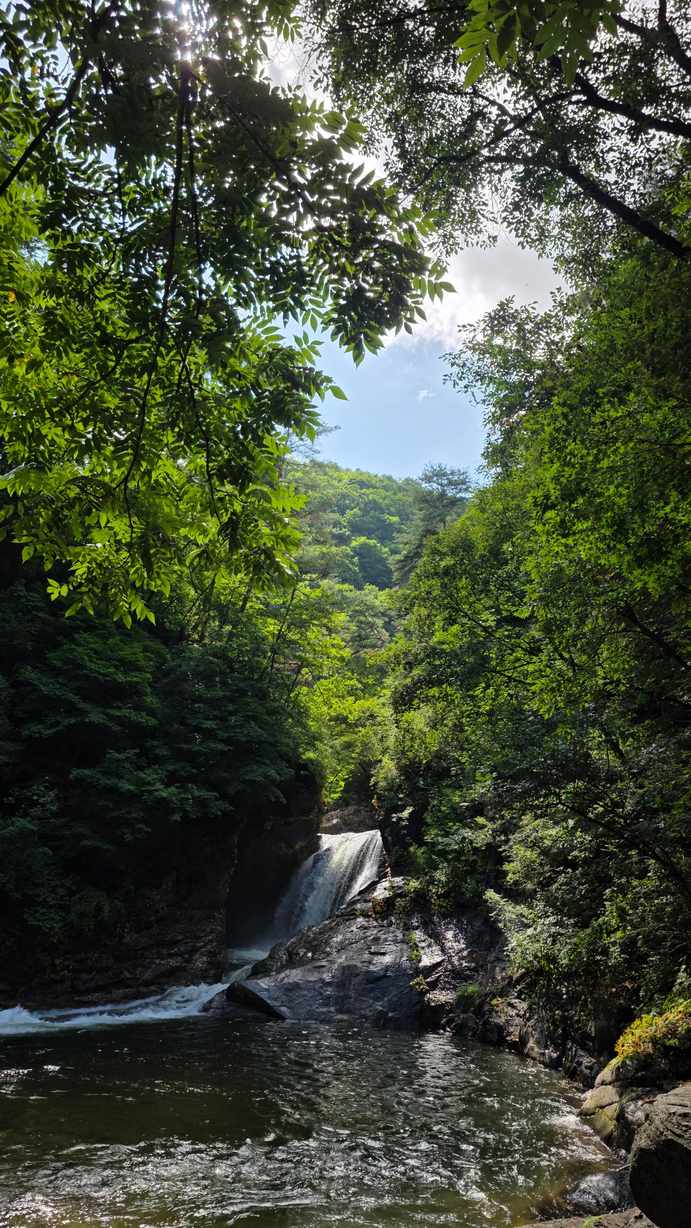
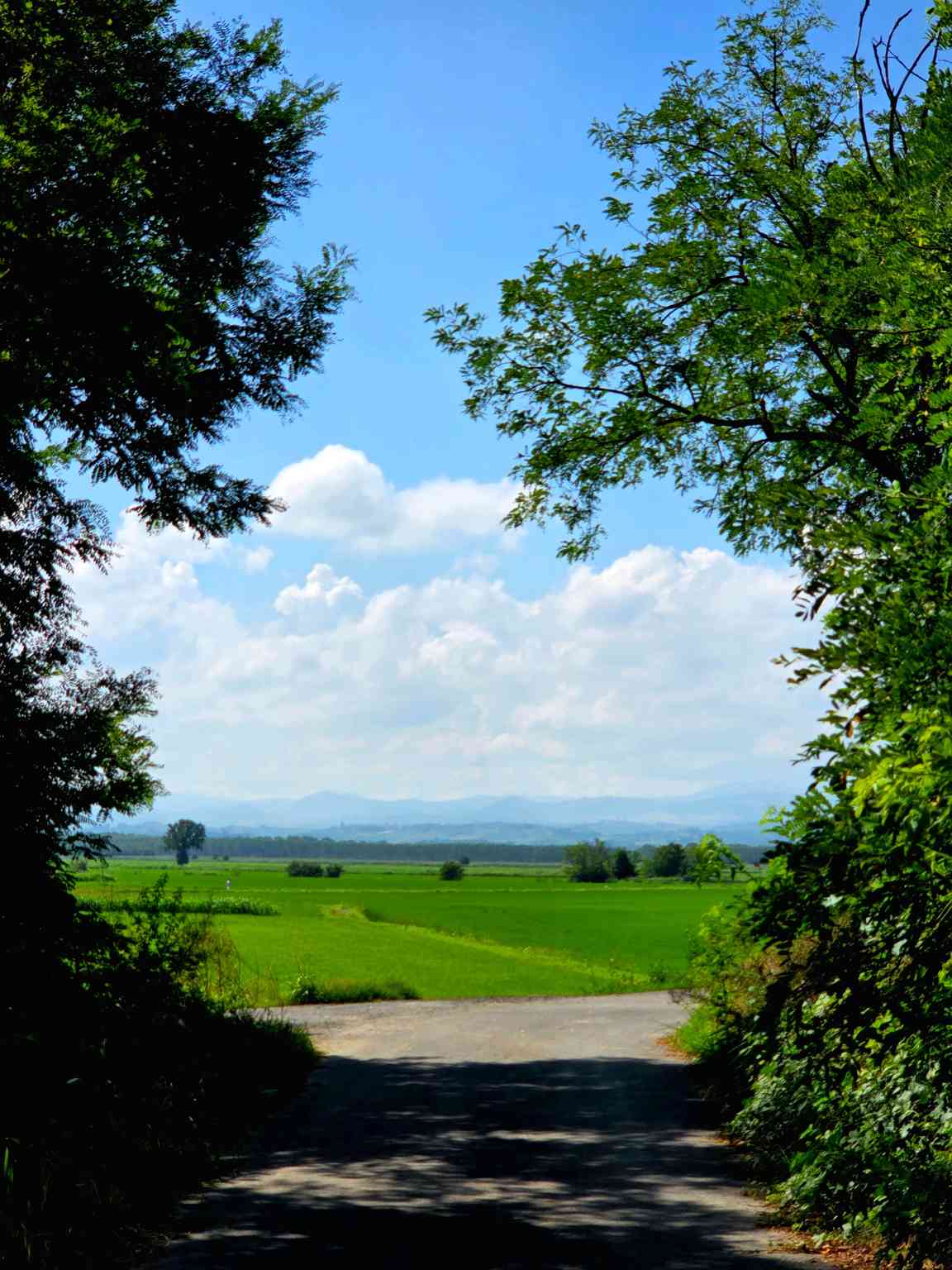
Because Korea is surrounded by the sea on three sides, it is easy to assume that summer escapes are all about the beach. But Korea has just as many mountains and valleys to explore.
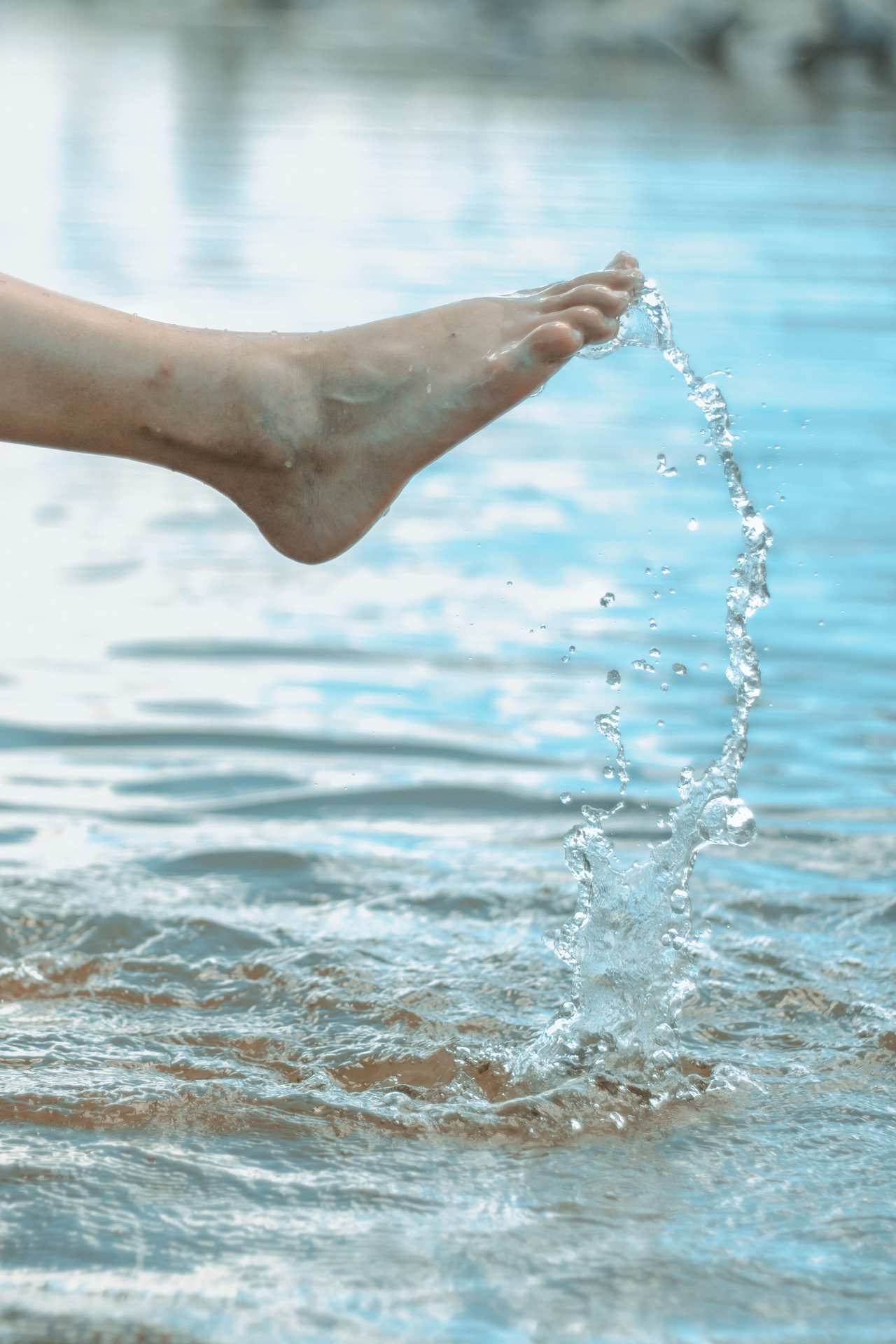
Every summer, mountain valleys across the country fill with people looking for a break from the heat. While seawater can become surprisingly warm in midsummer, water flowing down from the mountains remains refreshingly — sometimes shockingly — cold.
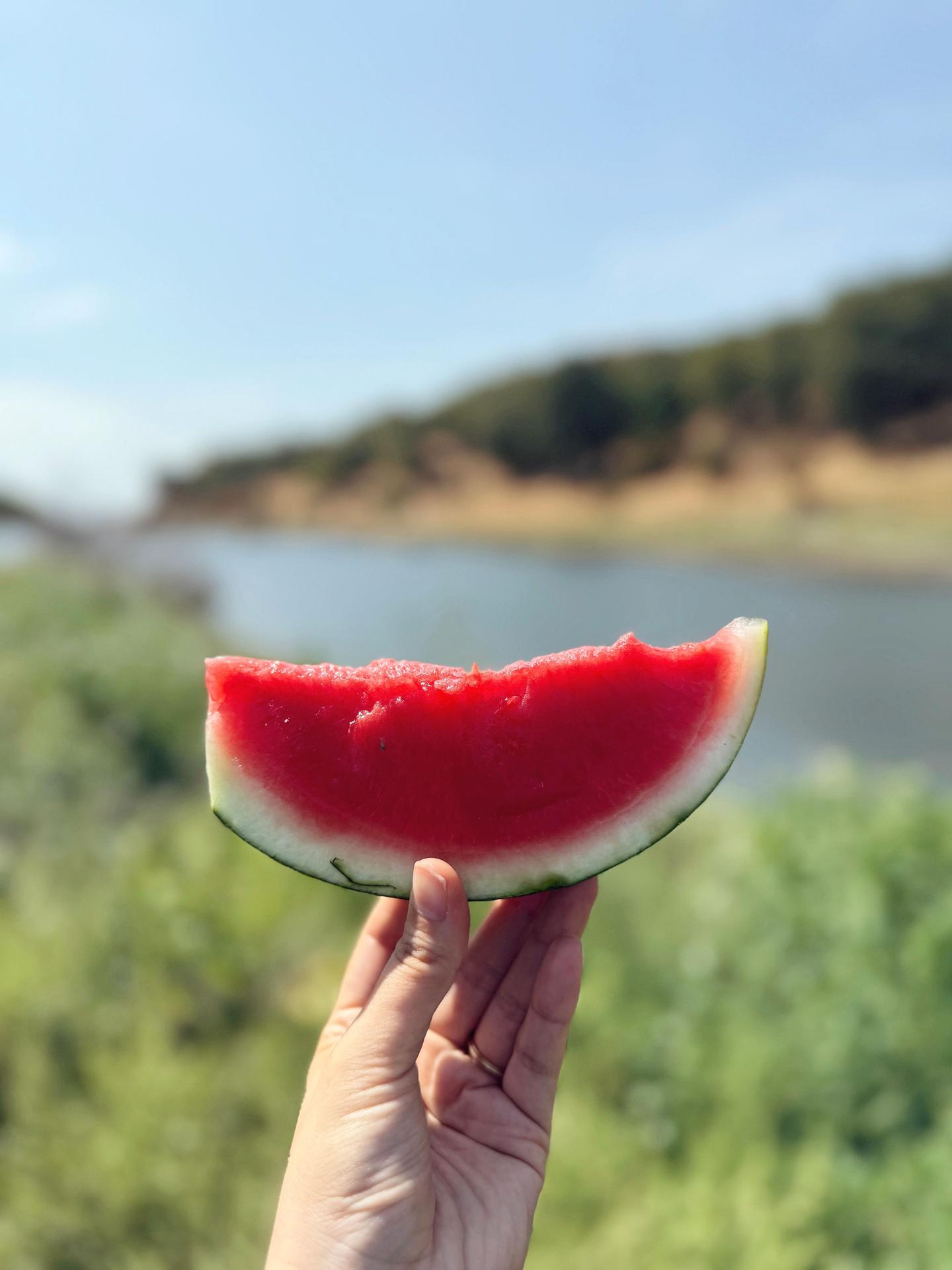
One classic Korean valley ritual begins almost as soon as you arrive: placing a whole watermelon directly into the cold stream. The valley becomes a natural refrigerator.
After spending some time in the water, people pull out the chilled watermelon and share it while sitting on a pyeongsang, a large raised wooden platform traditionally used for sitting, eating, and resting outdoors.
A steaming pot of baeksuk — chicken slowly simmered until tender — may appear on the table as well. And once everyone is full, a nap on the pyeongsang is always an option.
There does not have to be a long list of things to do.
Swimming, eating, and taking a nap by the stream can easily fill an entire day. It is a simple style of summer escape that has long been especially popular with Korean families.
_________________________________________
04 Choncance
When “Old-Fashioned” Becomes Hip — and Restful
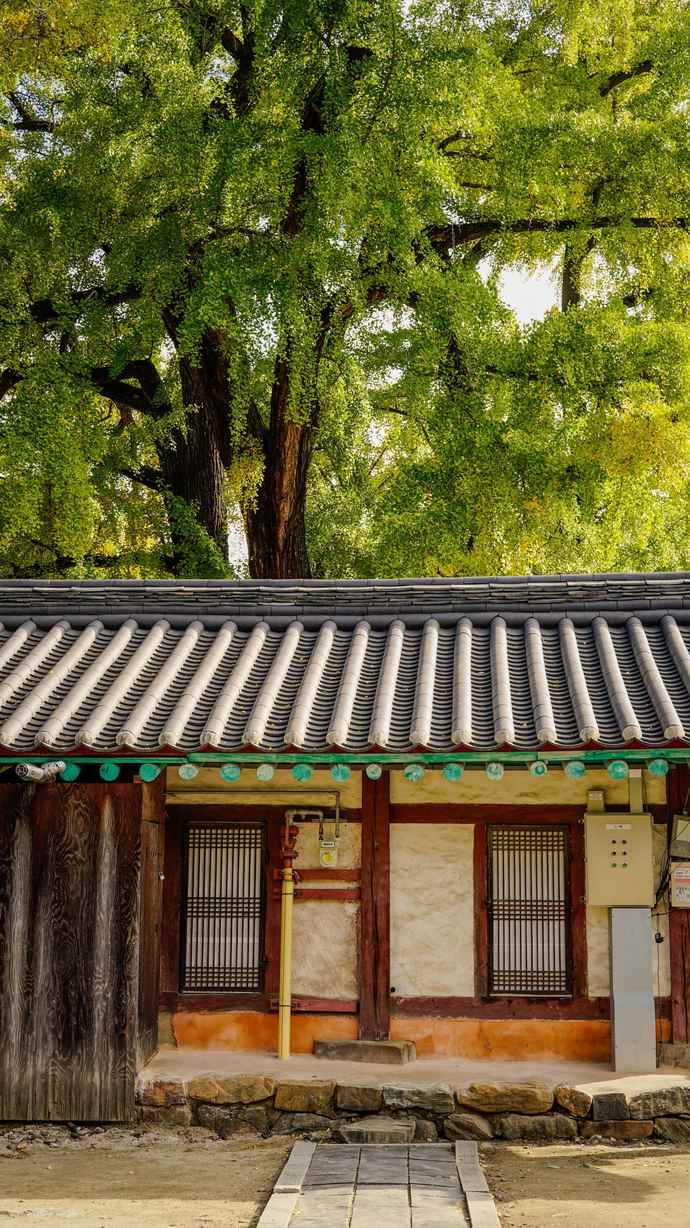
Instead of heading to famous summer resorts or the latest hotspots, more young Koreans are choosing to spend their holidays in the countryside. The trend is known as “choncance” (촌캉스), a combination of chon — meaning countryside or rural village — and “vacance.”
Rather than visiting a crowded city or a famous resort, choncance is about finding a different kind of fun in a quiet Korean village. And if you want the full choncance experience in a country house that feels like your grandmother’s home, there are a few items that often complete the look.
First are momppae pants — loose, elastic-waist pants in bright colors and floral prints, traditionally associated with older women in rural Korea. Next comes a wide-brimmed straw hat, the kind commonly worn to block the sun while working in the fields. Add a pair of old-fashioned gomusin (rubber shoes) or sun-protective arm sleeves, and the countryside look is complete.
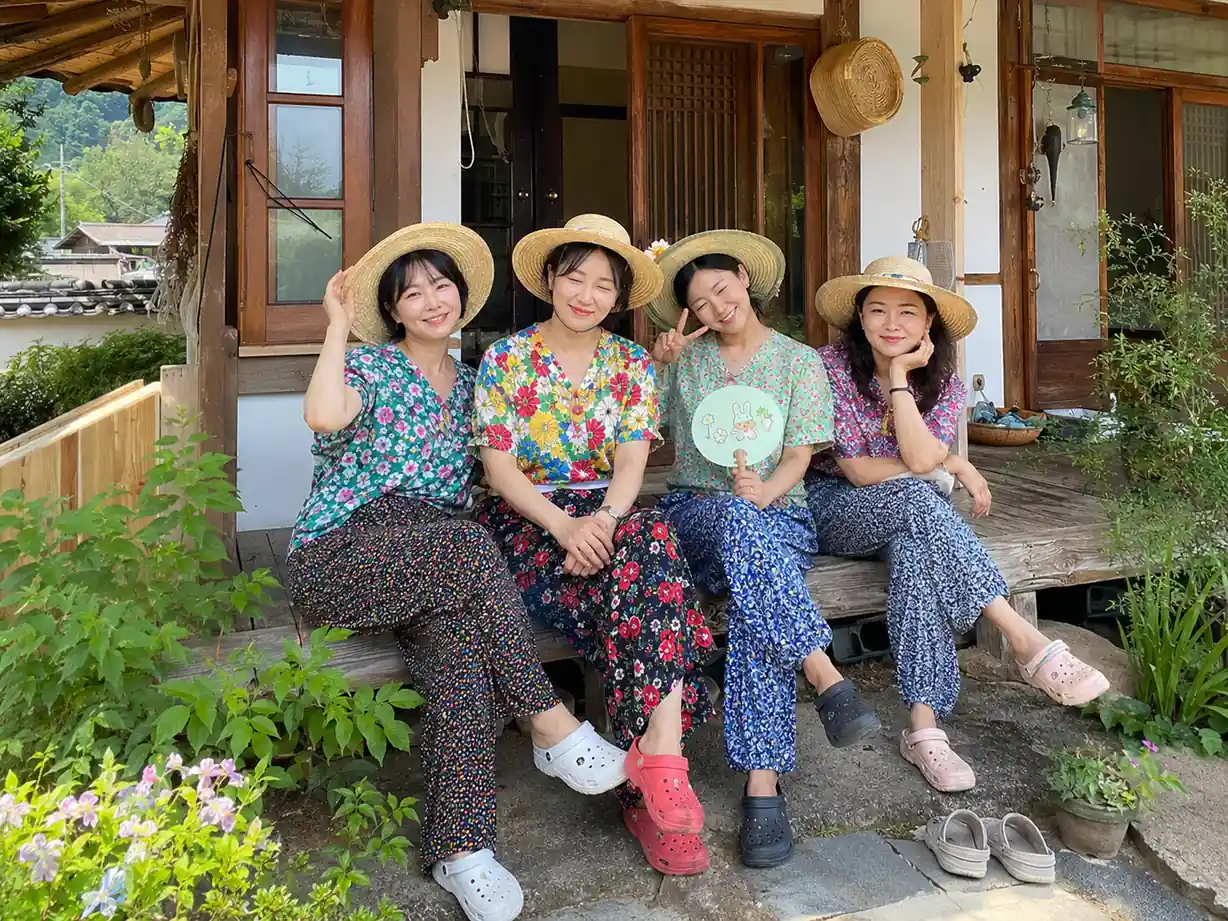
In Korean, chon means “the countryside,” while the related word chonseureopda (촌스럽다) has traditionally been used to describe something as unfashionable, unsophisticated, or old-fashioned. But for younger Koreans living busy urban lives, that sense of being “old-fashioned” is no longer necessarily negative. Instead, it can represent a slower and more genuine kind of rest.
They explore the rice fields, try rural activities, and cook meals for themselves. After sunset, with little more than streetlights illuminating the village, they listen to crickets and frogs — almost like nature’s own ASMR.
Leaving glamorous Seoul behind for a day in a countryside setting that is quieter, simpler, and charming in its own way can be another way to experience K-Wellness.
_________________________________________
05 Hocance
A Comfortable Vacation in the Heart of Seoul
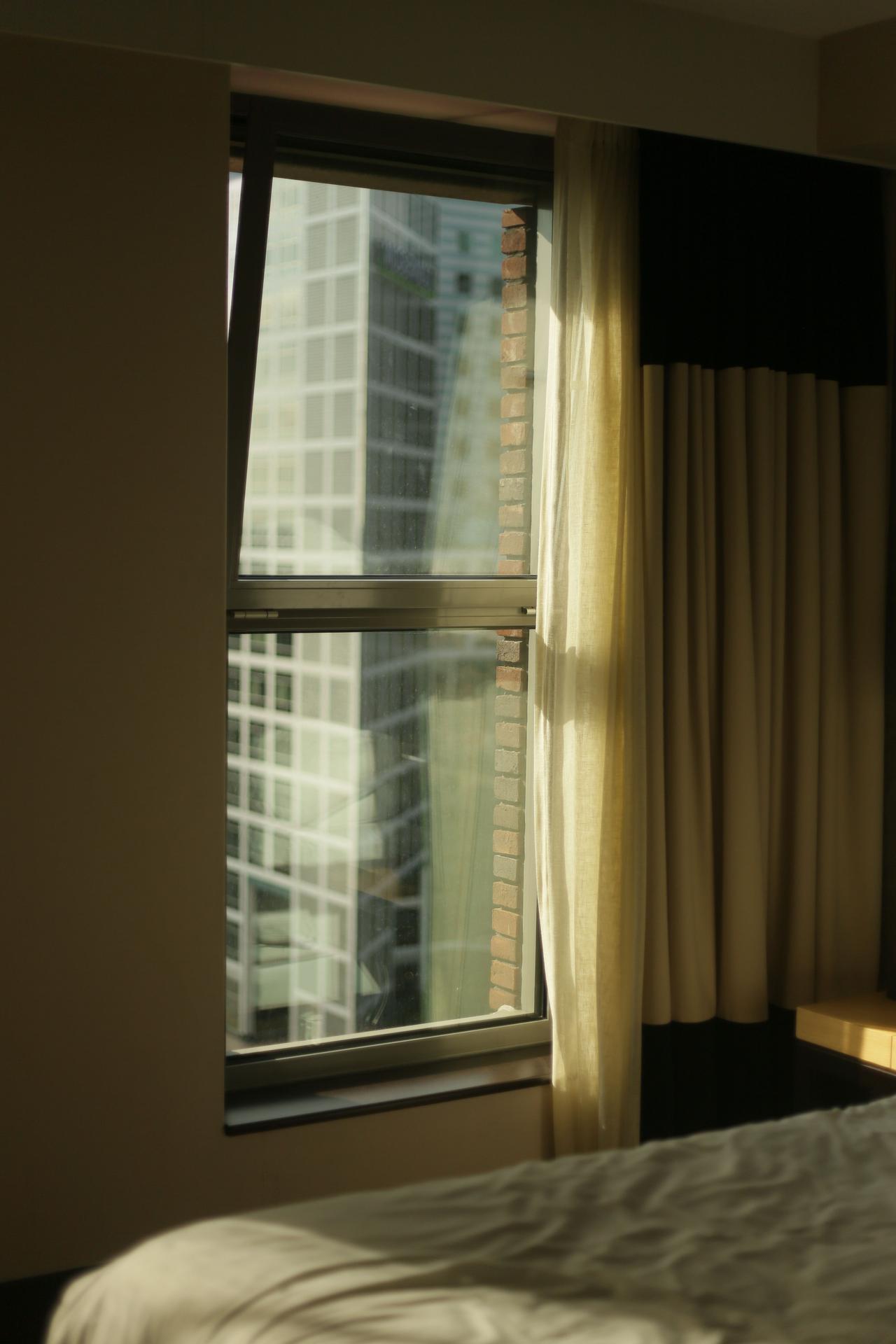
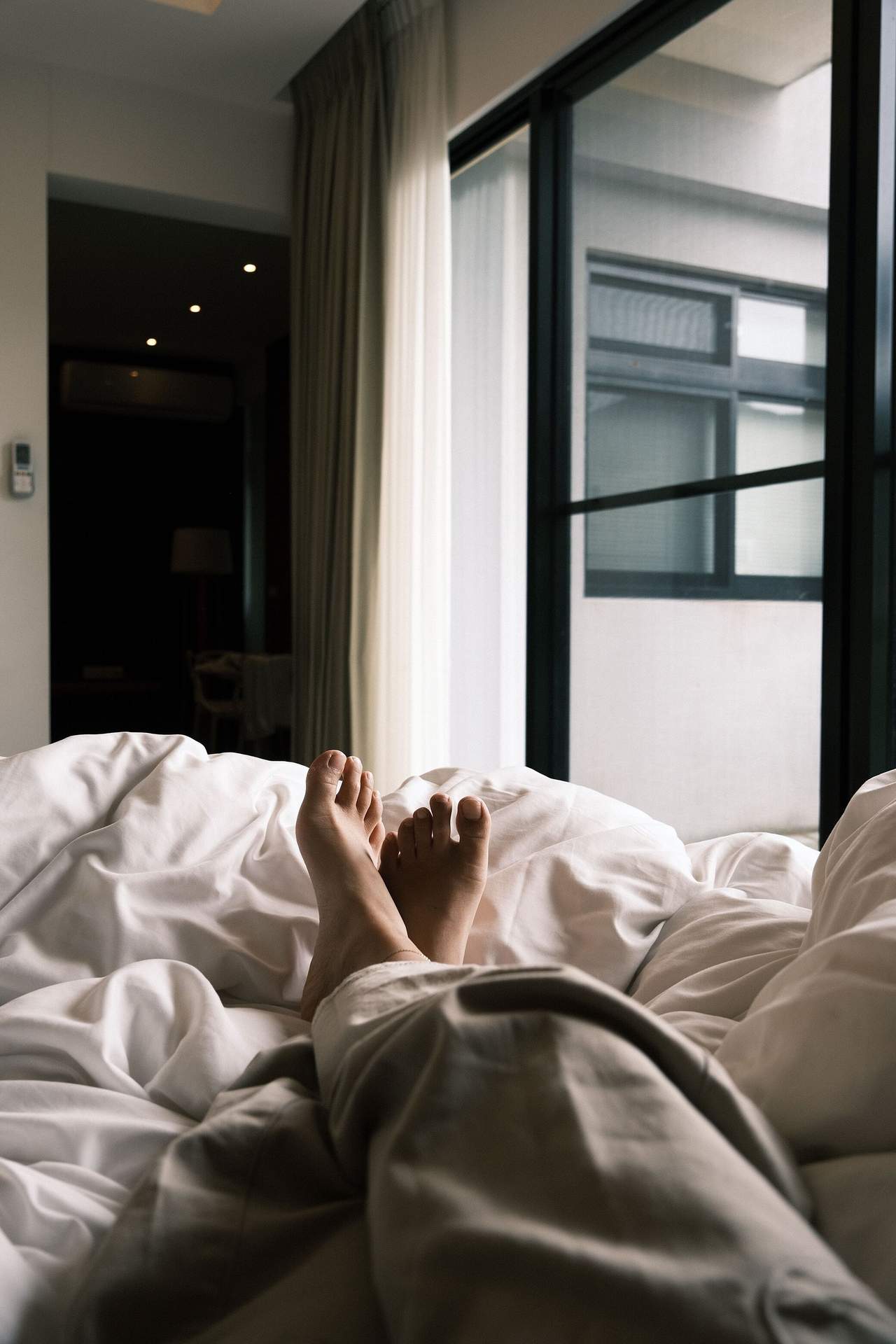
There is also a vacation style that feels almost like the opposite of choncance: hocance. The word combines “hotel” and “vacance,” and refers to a stay where the hotel is not simply somewhere to sleep — the hotel itself is the destination.
A hotel offers things that are difficult to recreate at home: luxurious bedding, a spacious pool, a lounge bar, and more. You might work out at the fitness center or finally catch up on a book on the terrace. After a bath, you can order room service and enjoy a comfortable evening without going anywhere. Breakfast is waiting the next morning, making it entirely possible to spend the day simply eating, sleeping, and resting.
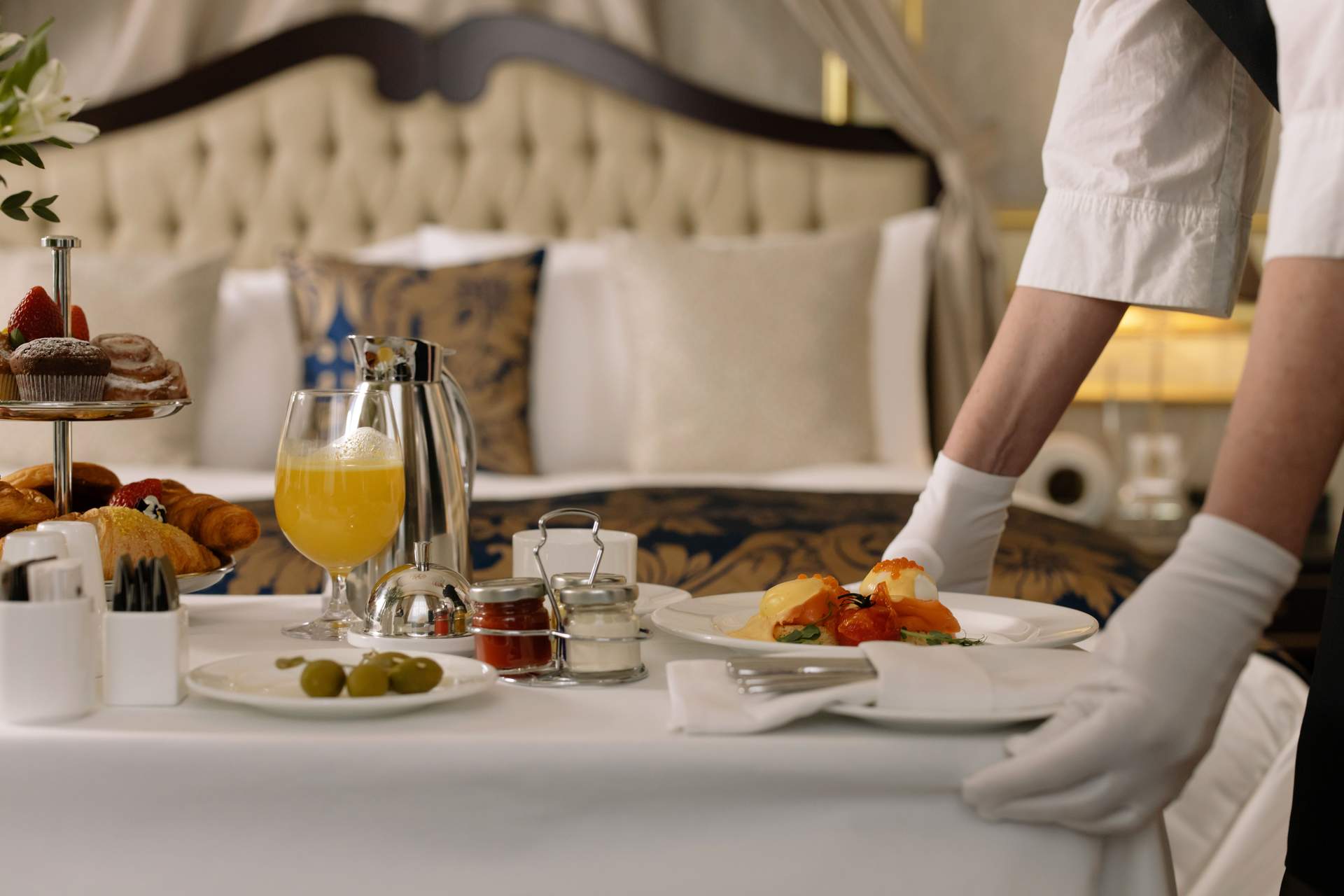
For busy Koreans, not having to go anywhere can be a major benefit in itself. A hotel also offers a temporary escape from household chores and everyday stress. There is no need to plan a packed itinerary, and you may also avoid some of the extra expenses that come with traveling to a major holiday destination.
For people who cannot take a long summer trip, hocance has become a practical way to enjoy a proper break without going far.
_________________________________________
We have introduced just a few of the many ways Koreans spend the summer — from traditions and seasonal wisdom passed down through generations to newer ways of vacationing that reflect how Koreans live today. Each one has its own reason for becoming part of the Korean summer.
And food and travel are not the only ways Koreans recharge during the hottest season. Some turn to spas and massages to relax tired bodies and restore their energy.
_________________________________________
At KOMMA TRIP, we also introduce Korean spas, massage experiences, wellness destinations, and other ways to slow down and recharge.
> Discover More
If you would like to explore more of Korea’s wellness culture, bookmark KOMMA TRIP. We will be back with more stories to help you discover Korea in a deeper — and more enjoyable — way.