Explore Korea's Top Attractions: K-Beauty, Wellness, and More
A practical guide to building a Korea itinerary that balances sightseeing, K-beauty shopping, and restorative wellness time.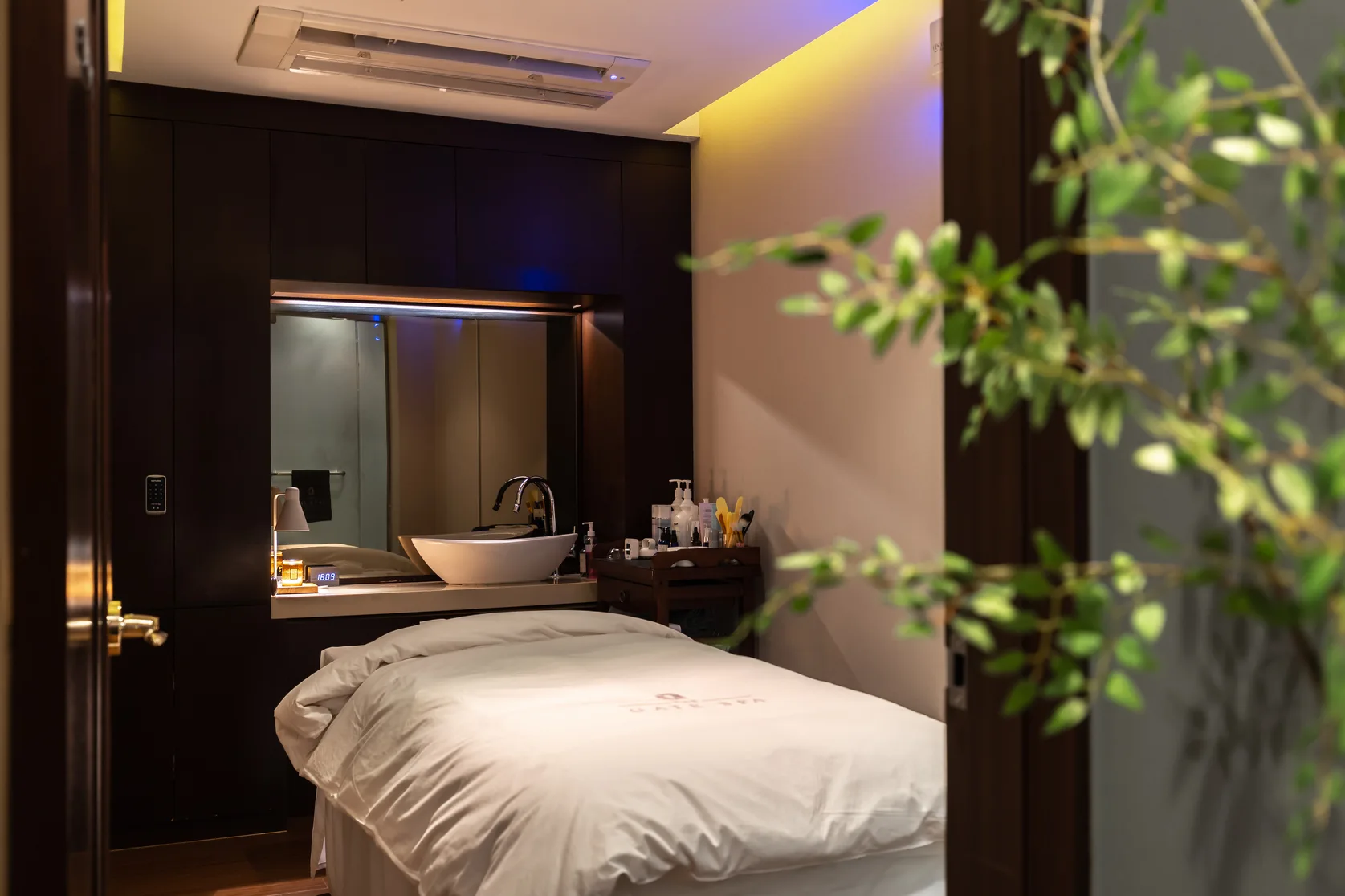
Quick summary
A practical guide to building a Korea itinerary that balances sightseeing, K-beauty shopping, and restorative wellness time.
Planning Your Ultimate Korea Travel Itinerary

A stronger Korea itinerary starts with pace, not a checklist. If you mix busy city days with one or two slower wellness blocks, the trip feels more sustainable and much less rushed.
This article works best as a practical frame: use iconic Seoul neighborhoods and shopping districts for momentum, then insert spa or wellness time where your energy naturally drops.
- Blend busy sightseeing days with scheduled wellness time to keep the trip balanced
- Use spring and autumn for outdoor walks, summer for indoor treatments, and winter for saunas and hydration care
- Reserve at least one half day for a spa, bathhouse, or restorative treatment session
Essential K-Beauty Secrets for Every Traveler
K-beauty is built around prevention and consistency. Instead of chasing quick fixes, most routines focus on cleansing gently, layering hydration, and protecting the skin barrier over time.
For travel, the useful version is simpler: take home one hydrating essence, one soothing mask option, and one reliable sunscreen. That gives you a practical kit without overbuying.
- Hydrating essences help skin hold moisture during flights and dry weather
- Sheet masks work well after long travel days or heavy walking
- Lightweight sunscreen is a year-round essential, even on wellness-focused trips
Discovering Local Wellness Beyond the Tourist Core
One of the most useful Korea must-dos for wellness-minded travelers is stepping into everyday local self-care culture. Traditional bathhouses and neighborhood wellness spots reveal how recovery, hygiene, and rest fit into daily life.
A jjimjilbang visit is often less about luxury than rhythm: hot and cool rooms, bathing zones, and quiet shared spaces that encourage you to slow down and reset.
- Shower thoroughly before entering pools or communal baths
- Observe gender-separated wet areas and local privacy rules
- Use lockers for valuables and keep phones out of restricted spaces
- Keep noise low and follow staff guidance in bathing and sauna zones
Why The Gate Spa Works Well for International Visitors
The Gate Spa fits travelers who want a quieter and more intimate experience than a high-volume tourist spa. The setting feels personal, and the treatment pace aligns better with guests who want recovery rather than a rushed add-on service.
It works especially well as an afternoon stop after morning sightseeing. Booking ahead is the safer approach because reservation-based wellness spots usually provide a better experience when they are not operating at walk-in capacity.
- A calmer atmosphere than many tourist-heavy spa centers
- Personalized treatment flow with a locally rooted feel
- A practical target for a 60 to 90 minute recovery block in Seoul
Experience Traditional Korean Care with Kommatrip
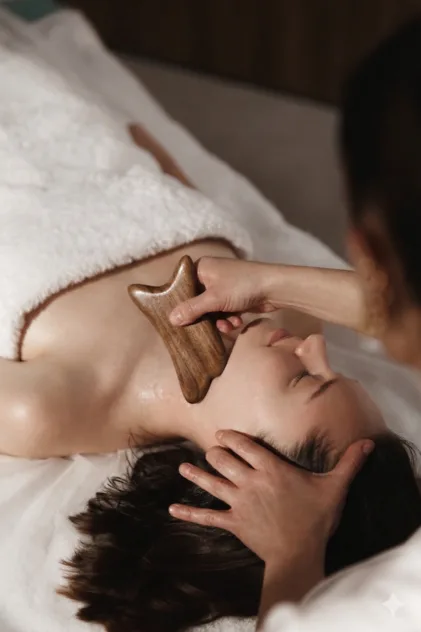
Kommatrip positions Korean care traditions in a format that is easier for international travelers to access. The emphasis is not only on relaxation but on treatments that feel culturally grounded and deliberately paced.
A typical session often includes a short consultation, a warm-up phase, focused facial or body work, and a slower finish that helps the body settle before you leave.
- Many sessions combine traditional materials with personalized treatment flow
- Afternoon appointments usually fit well after a morning of travel or shopping
- Advance booking is the safest option when you want a specific treatment or time slot
Traditional Care Tools That Shape the Experience
A clear differentiator in Korean care treatments is the use of specialized tools rather than hands alone. Bangjja bronze, Korean cypress tools, and jade are valued for their weight, feel, temperature, and sensory effect during a session.
These tools should be framed as part of long-standing wellness practice rather than as medical claims. In practical terms, they change how pressure, cooling, and finishing rituals feel on the body.
- Bangjja bronze is often appreciated for weight and heat retention
- Korean cypress tools add texture and a calming natural scent
- Jade is commonly used for cooling finishes and a refreshed skin feel
Seoul Districts for Beauty Shopping and Discovery
Beauty shopping becomes much easier when districts have clear roles. Myeong-dong is efficient for flagship stores, Gangnam suits premium or clinic-adjacent browsing, Hongdae works for trend-led affordable brands, and Garosu-gil is stronger for boutique labels.
The practical goal is not to visit every district in one day. Pick one or two based on what you want to buy, then leave room for rest or treatment afterward so the day stays useful.
- Myeong-dong: flagship stores and tourist-friendly shopping density
- Gangnam: upscale beauty retail and clinic-adjacent options
- Hongdae: youthful, trend-focused, and more budget-flexible brands
- Garosu-gil: boutique and independent labels in a slower setting
Cultural Etiquette for Wellness and Spa Visits
Korean spa etiquette is straightforward once you know the sequence. Check in, store your belongings, use the provided basics, and move through the facility with privacy and quiet in mind.
The main mistake to avoid is treating the space like a photo-friendly attraction. These are shared environments built around rest, so modest behavior and respect for local norms matter more than perfection.
- Shower before communal bathing or sauna use
- Respect gender-separated wet areas and any facility-specific rules
- Avoid photography in restricted or shared privacy zones
- Keep conversations low and arrive on time for reserved treatments
Practical Tips for a Seamless Korea Trip
Small logistics decisions have an outsized impact on comfort. A T-money card, stable data access, and a realistic wellness budget reduce friction and make it easier to keep your days flexible.
If you expect one or two high-demand treatments during the trip, reserve them before arrival rather than hoping to fit them in later. That protects your itinerary and prevents the best time slots from disappearing.
- Pick up a T-money card for smoother subway, bus, and taxi transfers
- Use a local SIM or portable Wi-Fi for maps, booking messages, and translation
- Set aside budget for at least one premium wellness session
- Pre-book afternoon spa slots if you want them to align with sightseeing days
Frequently asked questions
Scan the questions readers usually look up before booking or visiting.
A strong first pick is a locally rooted wellness experience such as a traditional bathhouse visit or a session at The Gate Spa, paired with a simple K-beauty shopping route.
Look for places locals recommend rather than tourist-heavy chains. Quieter, reservation-based spots such as The Gate Spa or curated providers like Kommatrip usually offer a more personal experience.
K-beauty emphasizes prevention, layered hydration, and daily maintenance. A routine built around cleansing, hydration, and sunscreen is more typical than aggressive one-time treatments.
They are commonly used in traditional-style treatments for their texture, weight, and temperature. They should be described as part of long-standing wellness practice rather than as medical devices.
Myeong-dong works well for flagship stores, Gangnam for luxury and clinic-adjacent shopping, Hongdae for trend-driven products, and Garosu-gil for boutique brands.
Shower before entering communal areas, follow gender-separated rules, keep noise low, and avoid photography in wet zones. If modesty is a concern, check for private rooms when booking.