Oils, Tinctures, and the Slow Massage
Inside the studios where recovery is measured in hours rather than minutes.
Rest is a practice, not a destination
Korean wellness rarely announces itself. It shows up in the temperature of a room, the order of a washing ritual, and the unhurried pace a practitioner keeps while they work. This guide follows that pace, one step at a time.
Where the ritual begins
Most sessions open with something deliberately slow: a cup of tea, a short conversation, a few minutes of sitting still. The point is not the drink or the small talk. It is the handover between the pace you arrived with and the one the room keeps.
Practitioners read that handover carefully. What you say in those first minutes shapes the pressure, the temperature, and the length of everything that follows.
What the season asks for
Korean care follows the calendar closely. Warming treatments carry the winter, cooling and draining work belongs to late summer, and the changes between them are treated as their own condition worth preparing for.
Booking with the season in mind is the difference between a pleasant hour and a visit that actually meets what your body is dealing with that month.
Read more
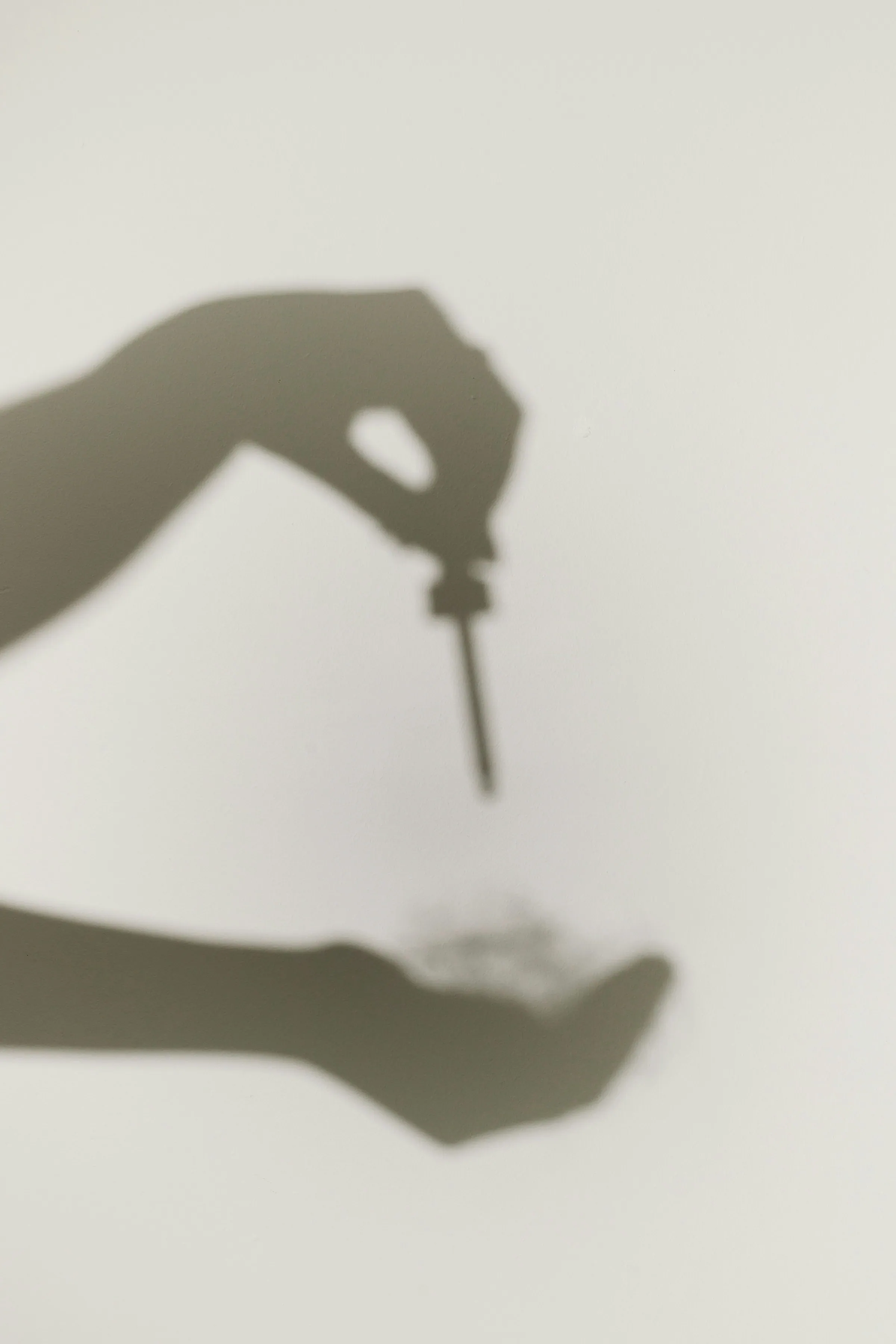
The details worth noticing
Small things carry the experience: where you leave your shoes, how long you rest between rooms, whether you speak at all. None of it is enforced, and all of it is noticed.
Read moreLeaving with more than you arrived with
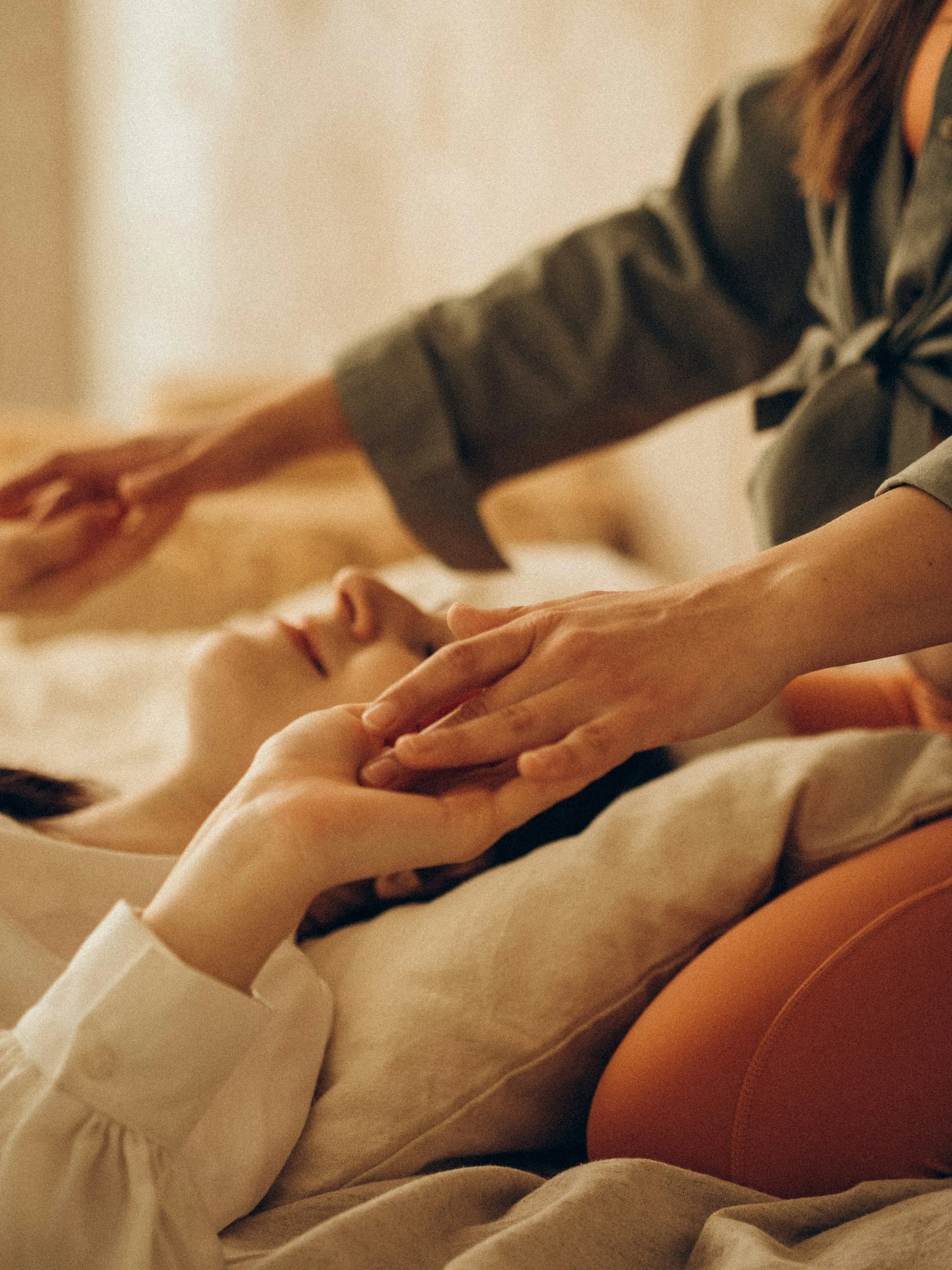
The last part of a visit is rarely a treatment. It is the walk out, the water you are handed, and the hour afterwards that you are quietly advised not to fill. Plan for that hour. It is where most of the recovery actually happens.